How to Claim Shares from IEPF: Step-by-Step Process
If your shares have been transferred to the Investor Education and Protection Fund (IEPF), they are not necessarily lost. An eligible claimant can apply to recover the shares and related unclaimed amounts through the prescribed Form IEPF-5 process.
The process broadly involves identifying the shares, checking shareholder records, preparing KYC and supporting documents, filing Form IEPF-5, completing the required document submission and company verification process, and then waiting for the IEPF Authority to process the claim.
This guide explains how to claim shares from IEPF, what documents may be required, and what problems can delay the recovery process.
What Is IEPF?
IEPF stands for the Investor Education and Protection Fund.
Under the Companies Act, unpaid or unclaimed dividends that remain unclaimed for seven years are transferred to IEPF. Shares for which dividends have remained unpaid or unclaimed for seven consecutive years or more may also be transferred to the IEPF Authority, subject to the applicable rules.
The law also provides a process through which eligible claimants can apply for the return of shares transferred to IEPF.
This means that a transfer to IEPF does not automatically mean the shareholder has permanently lost the investment.
Why Do Shares Get Transferred to IEPF?
Shares may reach IEPF for several reasons.
The investor may have changed address, stopped tracking the investment, missed dividend communications, or continued holding very old physical shares.
In some cases, the original shareholder may have died and the family may not know about the investment for several years.
Older investments can also involve problems such as:
Outdated addresses
Incomplete KYC
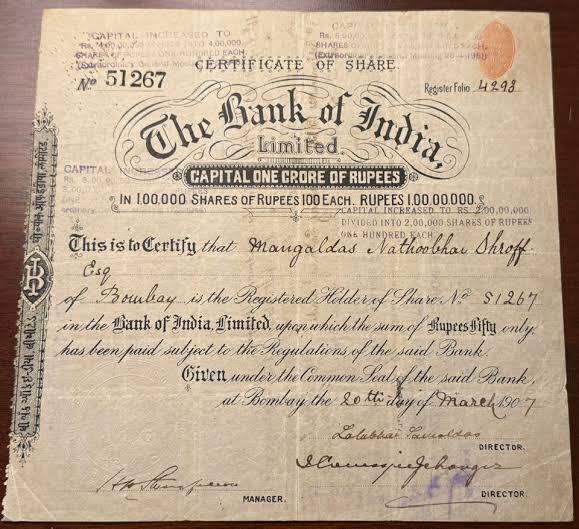
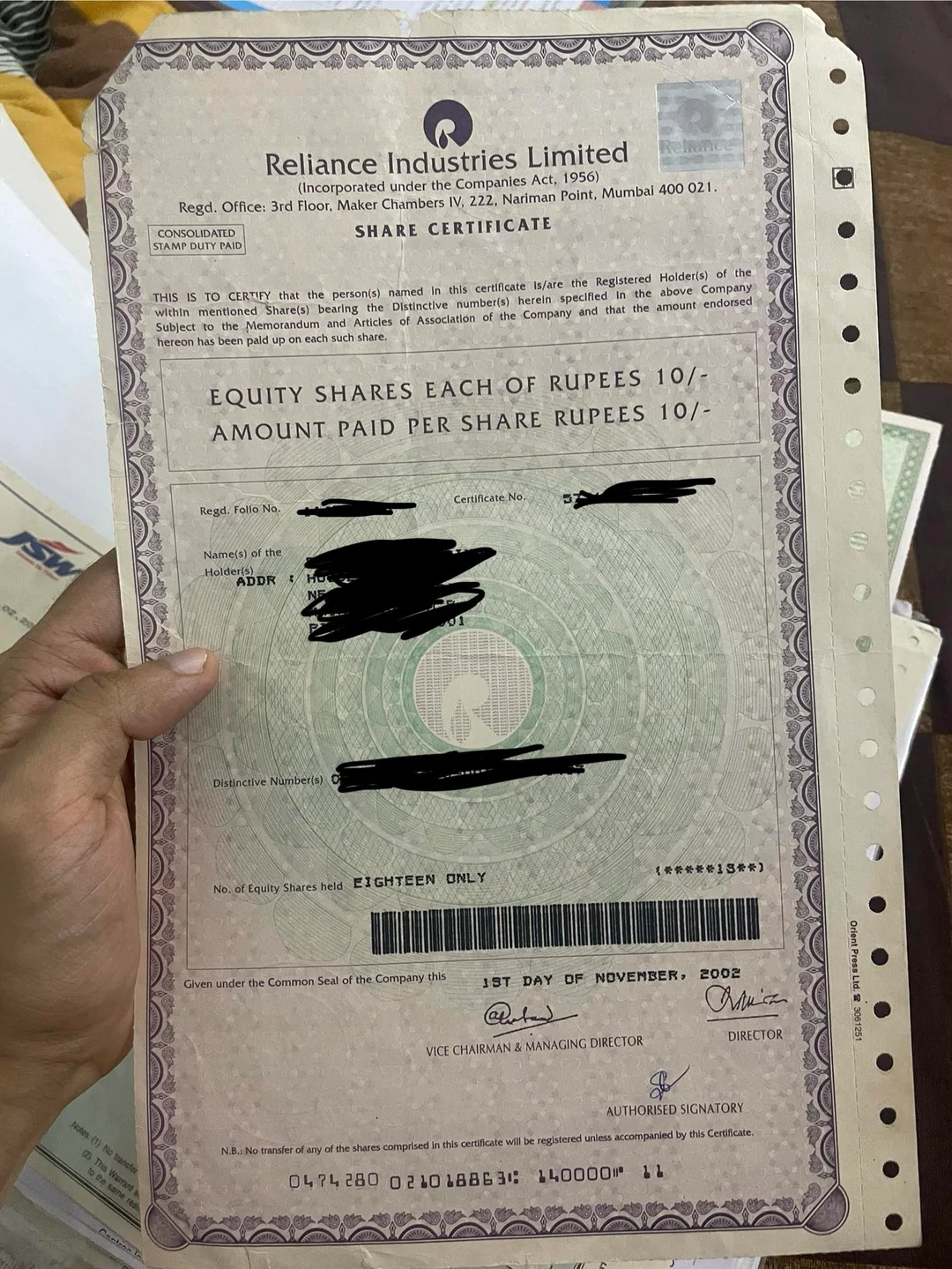
Old physical share certificates
Name differences
Signature differences
Forgotten folio numbers
Inactive bank information
Succession issues after the death of a shareholder
Finding and resolving such issues early can make the claim process easier.
How to Claim Shares from IEPF
The IEPF share recovery process can be understood in seven main steps.
Step 1: Identify the Shares Transferred to IEPF
Start by confirming exactly which shares and amounts have been transferred.
Try to collect details such as:
Company name
Shareholder name
Folio number
Number of shares
Old share certificates
Demat details, if available
Dividend records
Previous correspondence from the company or Registrar and Transfer Agent
This information helps establish the shareholder's original holding and entitlement.
For old investments, the records held by the company or its Registrar and Transfer Agent may also need to be checked.
Step 2: Check the Shareholder Records
Before filing the claim, compare the old shareholder records with the claimant's current documents.
Check whether the following information matches:
Name
PAN
Address
Bank account
Demat account
Signature
Folio details
A difference does not always prevent a claim, but it may require additional supporting documents.
For example, if an old share certificate carries an abbreviated name while the present PAN or Aadhaar carries the full name, additional evidence may be required to connect the two records.
This is one reason why reviewing the documents before filing Form IEPF-5 is important.
Step 3: Make Sure the Demat Account Is Ready
Claims involving shares require appropriate demat details so that approved shares can be credited to the claimant's demat account.
Before starting the claim, check that:
The demat account is active
The claimant's name is correct
PAN details match
Bank details are updated
The demat account belongs to the appropriate claimant
Fixing obvious KYC differences before filing can reduce avoidable queries later.
Step 4: Prepare the Required Documents
The documents required for an IEPF claim depend on the nature of the case.
A standard claim may involve records such as:
Document | Purpose |
|---|---|
PAN and identity records | Establish claimant identity |
Demat account details | Credit of recovered shares |
Bank details | Verification and refund-related information |
Share certificate or investment record | Evidence of holding |
Proof of entitlement | Supports ownership claim |
IEPF-5 acknowledgement | Records the submitted application |
Indemnity bond | Part of the prescribed claim documentation |
Supporting KYC documents | Helps verify claimant details |
Additional legal documents | May be required in succession or special cases |
The exact document set should always be determined from the facts of the case and the current requirements applicable to the claim.
Step 5: File Form IEPF-5
Form IEPF-5 is used for claiming eligible shares and unpaid amounts from IEPF.
The claimant needs to enter details relating to areas such as:
Claimant information
Company details
Shareholding
Amounts being claimed
Bank information
Demat account details
After submission, the system generates a Service Request Number or SRN.
The acknowledgement and other required claim documents are generated or completed as part of the prescribed filing workflow.
Keep the SRN safely because it is an important reference for the application.
Step 6: Complete the Document Submission and Company Verification
Filing Form IEPF-5 is not the final step.
The prescribed process also involves submitting the required supporting documents and completing the company verification process.
The company or its authorised officer may examine the claim against its shareholder records.
The verification may include checking:
Claimant identity
Number of shares
Folio details
Old shareholder records
Demat details
Share certificates
Proof of entitlement
Succession documents, where applicable
The exact process and timelines should be checked against the current IEPF and MCA requirements at the time of filing.
Step 7: IEPF Authority Processes the Claim
After the company completes its verification and submits the required report, the claim moves to the IEPF Authority for processing.
If the claim is accepted and all requirements are satisfied, the eligible shares can be credited through the prescribed mechanism.
The time required can vary from case to case.
Claims involving missing documents, old shareholder records, name differences, succession issues, or other discrepancies may require additional clarification or correction.
For this reason, it is better not to assume that every IEPF claim will be completed within the same total period.
Who Can Claim Shares from IEPF?
The claimant may be the original shareholder or another person who can legally establish entitlement to the shares.
Original shareholder
Nominee
Legal heir
Successor
Surviving joint holder
Another eligible claimant depending on the facts
Legal-heir and deceased-shareholder cases usually require more documentation than a straightforward claim by the original shareholder.
What If the Original Shareholder Has Died?
If the original shareholder has died, the person claiming the shares may first need to establish the right to the securities.
Depending on the circumstances, this may involve documents such as:
Death certificate
Nomination records
Legal-heir documents
Indemnity
Affidavits
No-objection documents
Succession documents
Other evidence required for transmission
The exact requirements depend on the holding structure and facts of the case.
What If the Share Certificate Is Lost?
A missing physical share certificate does not necessarily mean the investment cannot be recovered.
However, additional formalities may be required to establish entitlement where the original certificate is unavailable.
It is better to identify this issue before filing the claim rather than discovering it during company verification.
What If There Is a Name Mismatch?
Name mismatches are common with old investments.
Old shareholder record: R K Sharma
Current PAN: Raj Kumar Sharma
A difference like this may need supporting evidence connecting the two records.
Depending on the reason for the difference, documents may include evidence of a name change, marriage-related name change, government records, affidavits, or other supporting documentation.
Common Reasons an IEPF Claim Becomes Complicated
An IEPF claim is not always difficult because of Form IEPF-5 itself. The challenge is often in the underlying shareholder records.
Name mismatch between old shares and present KYC
Signature mismatch
Missing physical share certificates
Incorrect folio details
Old or incomplete KYC
Deceased shareholder
Missing succession documents
Different addresses across records
Incorrect demat information
Incomplete proof of entitlement
Reviewing these points before filing can reduce unnecessary corrections later.
Can You File an IEPF Claim Yourself?
Yes.
Professional assistance is not mandatory simply to file Form IEPF-5.
A straightforward claim with complete and matching records may therefore be handled directly by the investor.
Professional assistance may be useful where there are:
Deceased shareholders
Multiple legal heirs
Lost certificates
Name mismatches
Signature issues
Very old physical holdings
NRI documentation
Several folios
Previous claim objections
The purpose of such assistance should be to help the claimant understand and complete the applicable process, not to bypass regulatory requirements.
How Long Does an IEPF Claim Take?
There is no single reliable end-to-end period that applies to every IEPF claim.
Different stages involve the claimant, company or Registrar and Transfer Agent, and the IEPF Authority.
A simple claim with complete records may progress more smoothly than a case involving legal heirs, lost certificates, old records, or KYC mismatches.
If a claim requires correction, additional documentation, or resubmission, the process can take longer.
The safer approach is to focus on filing a complete and accurate claim rather than relying on a promised completion date.
Checklist Before Filing an IEPF Claim
Shareholder name
Company name
Folio number
Number of shares
PAN
Demat account
Bank details
Address
Share certificates
Proof of entitlement
Succession documents, if required
Supporting documents for any mismatch
A few minutes spent checking these records can prevent avoidable problems later.
Frequently Asked Questions
Can shares transferred to IEPF be recovered?
Yes. Eligible claimants can apply to recover shares transferred to IEPF by following the prescribed claim process.
Which form is used to claim shares from IEPF?
Form IEPF-5 is used for claiming eligible unpaid amounts and shares from IEPF.
Do I need a demat account for IEPF share recovery?
Claims involving shares require appropriate demat account information because recovered shares are handled through the dematerialised system.
Can a legal heir claim IEPF shares?
A legal heir may be able to make a claim after establishing the required entitlement. Additional transmission and succession documents may apply.
What happens if my name does not match the old share certificate?
Additional documents may be required to establish that the old shareholder record and the claimant's current identity relate to the same person.
Can I claim if the original share certificate is missing?
Potentially, yes. However, additional documentation may be required for a lost physical certificate.
Can NRIs claim shares from IEPF?
NRIs may make eligible claims. Additional identity, banking, demat, and other documentation may apply depending on the individual case.
Can I file IEPF-5 without hiring a consultant?
Yes. Professional assistance is not mandatory simply to file Form IEPF-5.
How Infiny Solutions Can Assist
IEPF recovery can involve much more than filling out one form.
The underlying records may first need to be reviewed for issues relating to ownership, KYC, physical certificates, legal heirs, succession, demat accounts, or shareholder details.
Need help understanding your specific share or IEPF case? Infiny Solutions can review the available records and help identify the appropriate next steps.
No professional service can guarantee approval of an IEPF claim. The final process remains subject to the applicable rules, company verification, and IEPF Authority requirements.
Conclusion
Shares transferred to IEPF may still be recoverable.
The process begins by identifying the shares and checking the original shareholder records. The claimant then needs to prepare the required documentation, file Form IEPF-5, and complete the company verification process.
The most important part is often not the form itself. It is making sure that the old investment records, current identity documents, and proof of entitlement properly support the claim.
For complicated cases, identifying mismatches before filing can help avoid unnecessary delays and corrections.