There is no single guaranteed end-to-end timeline for every IEPF claim. Under the current process, the company or bank is expected to submit its IEPF-5 e-verification report within 30 days from the date of submission of the claim. Separately, the Ministry of Corporate Affairs' Citizen's Charter states that a refund claim received by the IEPF Authority after due company verification and complete in all respects should be disposed of within 60 days. The overall process can take 6-8 months depending on documentation and overall completion of each step through Infiny Solutions.
However, these two periods should not simply be added together and treated as a guaranteed 90-day recovery timeline. A claim can take longer if documents are incomplete, records do not match, the company raises a query, the claimant needs to correct information, or additional succession or ownership documents are required.
This guide explains each stage of the IEPF claim timeline, what can cause delays, and what you can check if your claim is taking longer than expected.
What Is the Official IEPF Claim Timeline?
The IEPF claim process involves more than one party. The claimant files the application, the company or bank verifies the claim, and the IEPF Authority processes the verified application.
Stage | What Happens | Relevant Timeline |
|---|---|---|
IEPF-5 filing | The claimant submits Form IEPF-5 through the MCA system and receives an SRN. | Depends on the claimant being ready with correct information and documents. |
Company verification | The company or bank verifies the claim and files the IEPF-5 e-verification report. | Current IEPF instructions provide for filing within 30 days from submission of the claim. |
IEPF Authority processing | The Authority examines the verified claim and supporting records. | MCA's Citizen's Charter refers to disposal within 60 days after due verification and when the claim is complete in all respects. |
Corrections or additional requirements | The claimant or company may need to respond to deficiencies, mismatches or further requirements. | No single fixed end-to-end period applies because the time depends on the issue. |
Important: The 60-day period is not a promise that every claim will be completed within 60 days of filing Form IEPF-5. It applies after the claim has been duly verified and is complete in all respects.
Why Does an IEPF Claim Not Have One Fixed Completion Date?
An IEPF claim passes through several checks before shares or eligible amounts can be returned.
The Authority must be able to establish that the claimant is entitled to the shares or money being claimed. The company must also compare the claim against its own shareholder records.
This becomes especially important when the investment is many years old.
A claim may involve:
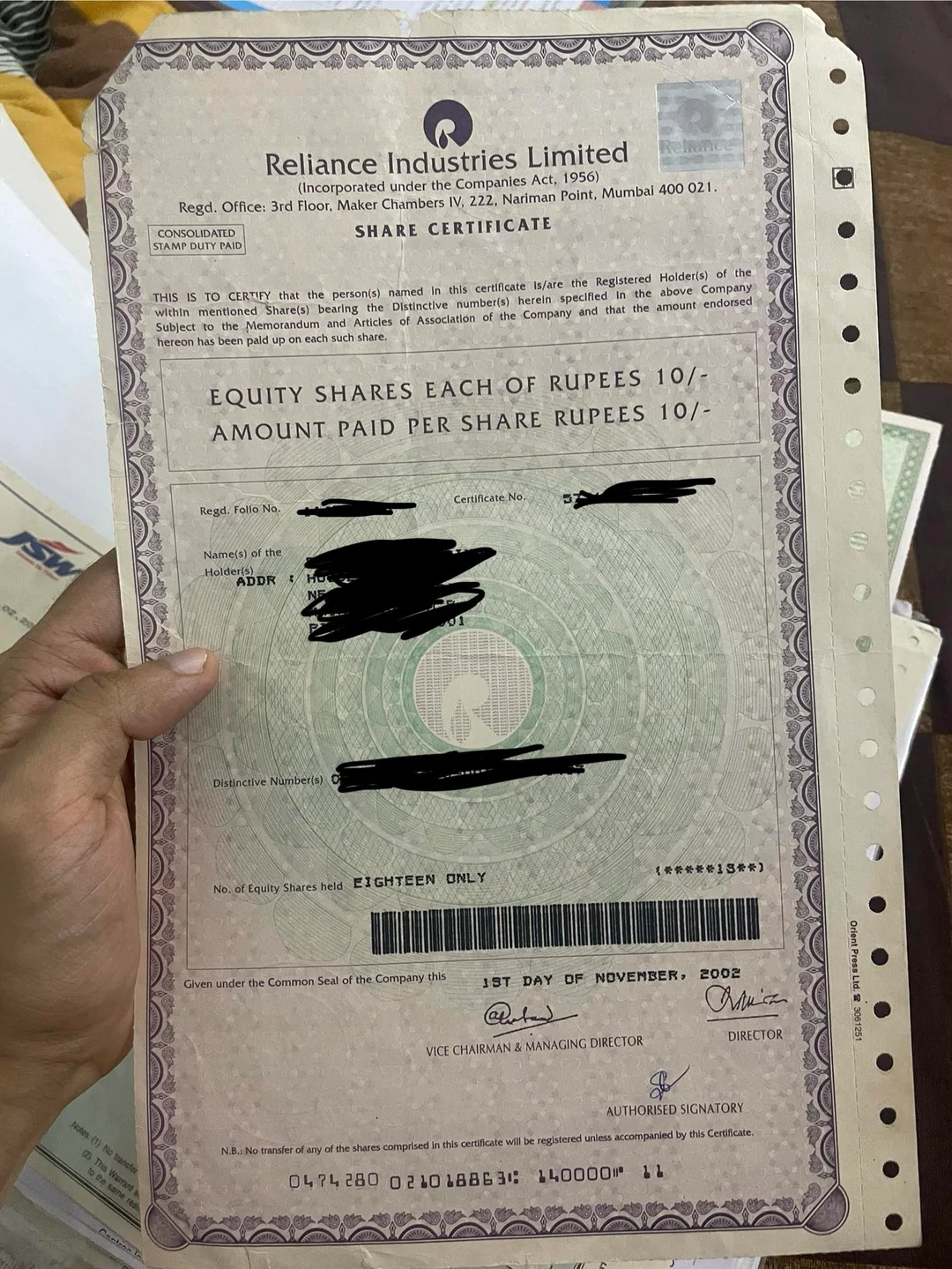
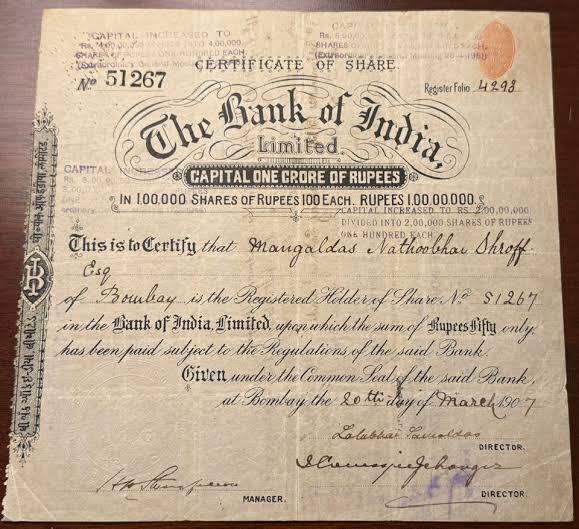
Old physical share certificates
Different spellings of the shareholder's name
Changed addresses
Signature differences
Inactive or old folio records
Missing certificates
Deceased shareholders
Nominee or legal-heir claims
Succession documents
Demat or Client Master List differences
Each additional issue can create another verification step. This is why two IEPF claims filed on the same day may not be completed at the same time.
IEPF Claim Timeline: Stage by Stage
Stage 1: Preparing the Claim
The practical timeline begins before Form IEPF-5 is filed.
The claimant should first identify the company, folio or demat information, number of shares, relevant unpaid amounts and the records needed to establish entitlement.
It is also useful to compare old shareholder records with the claimant's current PAN, demat account, bank information and identity documents.
If there is an obvious mismatch, dealing with it before filing may prevent avoidable queries later.
Stage 2: Filing Form IEPF-5
Once the required information is ready, the claimant files Form IEPF-5 through the MCA system.
An SRN, or Service Request Number, is generated for the application. This number is important because it identifies the claim and can be used when checking its status or communicating about the case.
The current MCA system uses the V3 environment for IEPF-5 and its linked e-verification process.
Stage 3: Company or Bank Verification
After the claim is submitted, the company or bank must verify it against its records.
The current IEPF-5 e-verification instructions state that the company or bank should send its online verification report to the IEPF Authority within 30 days from the date of submission of the claim.
The company may verify matters such as:
Whether the claimant's name matches its records
Folio or demat details
Number of shares being claimed
Transfer of the shares to IEPF
Claimant's demat details
Supporting ownership records
Physical certificates, where relevant
Transmission or succession documents
If information is missing or inconsistent, this stage can become the main source of delay.
Stage 4: IEPF Authority Examination
Once the company has submitted the verification report, the claim is available for examination by the IEPF Authority.
The MCA Citizen's Charter states that a refund claim received by the Authority after due verification from the concerned company and complete in all respects should be disposed of within a period of 60 days.
The phrase "complete in all respects" is important. If the Authority requires correction, clarification or additional documents, the actual end-to-end period may extend beyond this service standard.
Stage 5: Refund or Credit of Shares
Where the claim is approved, the prescribed process is followed for returning the eligible amount or shares.
For shares, the claimant's demat information therefore needs to be accurate and usable. A mismatch in the demat account or Client Master List can create further work even when the underlying entitlement is otherwise clear.
Does 30 Days Plus 60 Days Mean an IEPF Claim Takes 90 Days?
No. It should not be presented as a guaranteed 90-day timeline.
The 30-day company-verification requirement and the 60-day Authority service standard relate to different stages and have different starting conditions.
The Authority's 60-day period applies when the claim has already been duly verified by the company and is complete in all respects.
The total journey can therefore be longer where:
The company requires additional documents
The claimant has not completed a required step
The information in Form IEPF-5 needs correction
The shareholder records contain discrepancies
Transmission or succession needs to be established
The Authority raises a deficiency or resubmission requirement
For this reason, any person promising that every IEPF claim will be completed within a fixed number of days should be treated cautiously.
What Are the Most Common Reasons for IEPF Claim Delays?
1. Name Mismatch
An old share certificate may use initials, an abbreviated name or an earlier name, while the claimant's current PAN and demat account may contain a different version.
The company may need supporting evidence before it can confirm that the records belong to the same person.
2. Signature Mismatch
Signatures can change over many years. Old physical-share records may contain a signature that differs significantly from the claimant's present signature.
Depending on the case, additional verification may be required.
3. Missing Physical Share Certificates
If the original holding was in physical form and the certificate is no longer available, the claimant may have to complete additional formalities for the lost security before the claim can be satisfactorily verified.
4. Incorrect Folio or Share Details
The number of shares, folio number, company details and historical records should agree with the company's records.
Even a small error can require clarification.
5. Demat Account Mismatch
For share claims, the demat details provided for receiving the shares should match the claimant and the required records.
Differences in name, PAN or Client Master List details can slow verification.
6. Deceased Shareholder or Legal-Heir Case
A legal-heir claim is usually more document-intensive than a claim made by the original shareholder.
The company may first need to establish transmission and the claimant's legal entitlement. The required documents depend on the facts of the holding, nomination status and succession position.
7. Incomplete Supporting Documents
Submitting Form IEPF-5 does not by itself establish the claim.
If required supporting documents are missing, unclear or inconsistent, the company or Authority may not be able to complete its verification.
8. Resubmission or Correction
A claim may require correction where information entered in the application does not match the supporting documents or company records.
Any resubmission step adds time because the claimant must first respond and the corrected claim must then be processed again.
What Should You Do If Your IEPF Claim Is Taking Too Long?
Do not assume that a pending claim means it has been rejected.
Instead, identify the stage at which the application is currently pending.
Check the SRN Status
Keep the SRN generated when Form IEPF-5 was filed and check the current application status.
The status can help establish whether the claim is awaiting company e-verification, under processing or requires another action.
Check Whether the Company Has Completed E-Verification
If the claim is still awaiting company verification, contact the company's Nodal Officer or the relevant Registrar and Transfer Agent and confirm whether all required documents have been received and verified.
Review Your Documents Again
Compare the application with:
PAN
Demat Client Master List
Bank details
Old share certificates
Folio records
Company correspondence
Succession or transmission records, if applicable
This can help identify a mismatch before another query is raised.
Respond Promptly to Any Query
If a correction, clarification or additional document is requested, respond within the applicable time and make sure the revised information is consistent across the claim.
Can You Speed Up an IEPF Claim?
There is no legitimate way to bypass the prescribed verification and approval process.
However, a claimant can reduce avoidable delay by preparing the case properly before filing.
Useful steps include:
Confirm the exact shares and folio details first.
Check that the demat account and PAN information match.
Identify name, signature or address differences before filing.
Collect legal-heir or succession records in advance where required.
Keep clear copies of all documents submitted.
Save the IEPF-5 SRN and monitor the claim stage.
Respond quickly if the company or Authority asks for clarification.
A well-prepared application cannot guarantee a particular completion date, but it can reduce delays caused by avoidable documentation problems.
How Long Can a Complex IEPF Claim Take?
There is no official single timeline that applies to every complex case.
A straightforward claim with clean ownership, KYC and demat records is different from a case involving a deceased shareholder, several legal heirs, a lost certificate, historical name differences and old physical-share records.
The more issues that need to be established before the company can verify entitlement, the more steps may be involved.
It is therefore better to assess the case by its current stage and unresolved issues rather than relying on a generic promise such as "IEPF recovery in 60 days" or "IEPF recovery in 90 days."
IEPF Claim Timeline Checklist
Question | What to Check |
|---|---|
Has Form IEPF-5 been filed? | Confirm the filing and save the SRN. |
Are all claimant details correct? | Check name, PAN, address, bank and demat records. |
Has the company received the required records? | Confirm with the company's Nodal Officer or RTA where needed. |
Has company e-verification been completed? | Identify whether the claim is still pending at the company-verification stage. |
Is there a mismatch? | Review name, signature, folio, demat and ownership details. |
Is it a legal-heir case? | Check whether transmission and succession requirements have been completed. |
Has any correction been requested? | Respond within the applicable period and retain proof of the response. |
Frequently Asked Questions
How many days does an IEPF claim take?
There is no guaranteed number of days for every claim. The current process provides a 30-day period for company or bank e-verification, while MCA's Citizen's Charter refers to disposal by the IEPF Authority within 60 days after due verification and when the claim is complete in all respects. Additional queries or documentation issues can extend the total time. Overall process can take 6 to 8 months.
Does IEPF have to approve a claim within 60 days?
The 60-day service standard applies to a claim received by the Authority after due company verification and when it is complete in all respects. It should not be interpreted as a guaranteed 60-day period from the date Form IEPF-5 is first filed.
Why is my IEPF claim still pending?
A claim can remain pending because company verification is incomplete, supporting records are missing, there is a mismatch, a correction is required, or the Authority is processing the verified application. The first step is to identify the current claim status using the SRN.
How long does company verification for IEPF-5 take?
The current IEPF-5 e-verification instructions state that the company or bank should submit its online verification report within 30 days from the date of submission of the claim.
Can a legal-heir IEPF claim take longer?
It can involve more steps because the claimant's entitlement and any required transmission or succession records must be established. The actual time depends on the facts and completeness of the case.
Can an IEPF consultant guarantee a faster approval?
No consultant can guarantee approval or bypass the prescribed company verification and IEPF Authority process. Assistance can help organise records, identify gaps and respond to procedural requirements, but the final outcome remains subject to the applicable process.
What should I do if the company has not verified my claim?
Confirm that the company or its Registrar and Transfer Agent has received the required documents and check whether any clarification is pending. Keep your SRN and submission records available when following up.
How Infiny Solutions Can Assist
When an IEPF claim is delayed, the first useful step is often to identify where the claim is pending and why.
Infiny Solutions can review available shareholder records, the IEPF-5 filing, KYC and demat information, company or RTA correspondence, and supporting documents to help identify possible gaps and the appropriate next steps.
Need help understanding why your IEPF claim is delayed?
Infiny Solutions can review the available records and help identify the stage of the claim and any documentation or verification issues that may need attention.
No professional service can guarantee a particular recovery date, approval or outcome. IEPF claims remain subject to the applicable rules, company verification and IEPF Authority requirements.
Conclusion
So, how long does an IEPF claim take?
The most accurate answer is that there is no single guaranteed end-to-end timeline. Current IEPF instructions provide a 30-day timeline for company or bank e-verification, while MCA's Citizen's Charter refers to a 60-day disposal period once a duly verified claim is received by the Authority and is complete in all respects. Overall process can take 6-8 months.
The total process can take longer when documents are incomplete, shareholder records do not match, legal-heir or succession issues are involved, or corrections are required.
Instead of focusing only on the number of days since filing, identify the current stage of the claim, check whether company verification has been completed, and resolve any outstanding documentation issues as early as possible.